Table of Contents
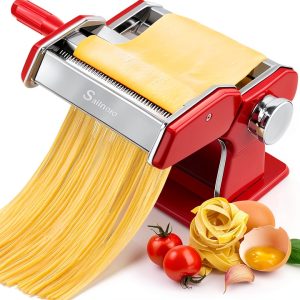
Fresh pasta. It’s one of those culinary unicorns that seems both impossibly sophisticated and fundamentally simple. For years, I avoided making it at home, convinced the process required Italian grandmothers, specialized training, or expensive electric machines that would gather dust after two uses. Then I discovered manual pasta makers – and the Sailnovo aluminum model specifically.
After testing this machine for three months, making everything from delicate angel hair pasta to sturdy lasagna sheets, I’ve reached some surprising conclusions about what actually matters in a home pasta maker. The specs tell one story, but real kitchen use reveals another entirely.
Key Takeaways
- The aluminum construction feels substantial but requires immediate cleaning to prevent surface oxidation that isn’t technically rust but looks similar
- Thickness settings are impressively precise for the price point, though the adjustment mechanism requires careful handling
- Desk clip stability varies dramatically depending on your countertop thickness and material
- Beginner-friendly but has limitations that advanced pasta makers will notice immediately
- At $53, it occupies a middle ground between flimsy budget options and premium Italian imports
Quick Verdict
Best for: Casual home cooks who want to experiment with fresh pasta without significant investment; families looking for cooking activities with older children; apartment dwellers with limited storage space.
Not ideal for: Serious pasta enthusiasts making large batches regularly; cooks who prefer hands-free operation; those seeking heirloom-quality durability.
Core strengths: Surprisingly precise thickness control, compact storage footprint, genuine food-safe materials, excellent value for occasional use.
Core weaknesses: Requires vigilant cleaning to maintain appearance, moderate learning curve for perfect dough consistency, stability depends entirely on countertop quality.
Product Overview & Specifications
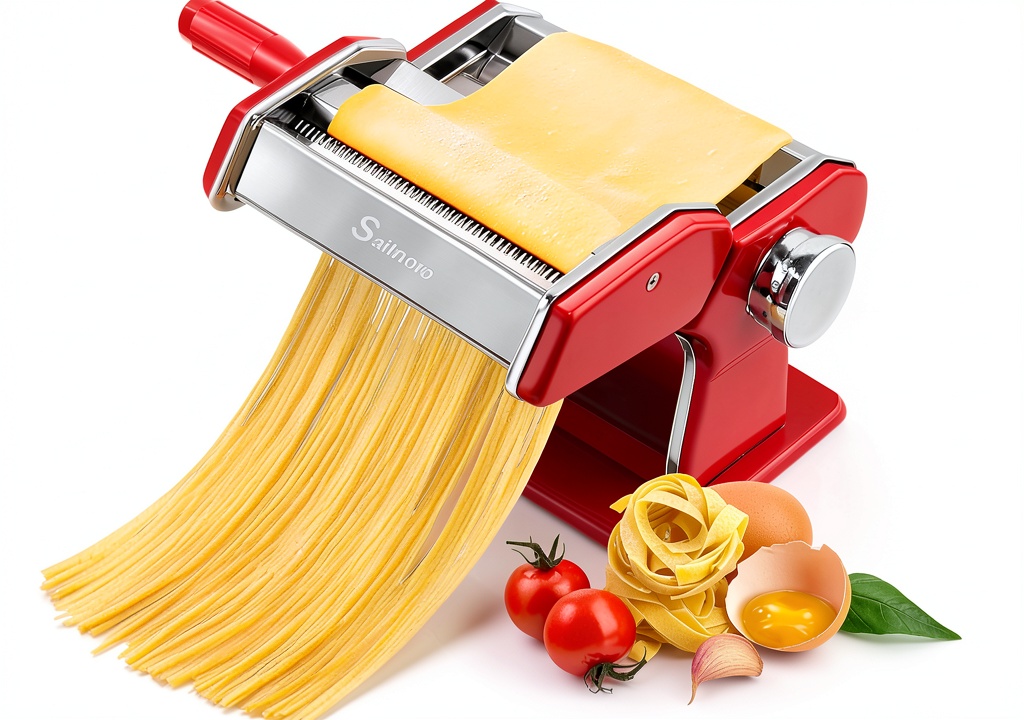
The Sailnovo manual pasta maker sits in that sweet spot between disposable kitchen gadgets and professional equipment. Weighing just under 6 pounds, it has enough heft to feel substantial without being cumbersome to store. The aluminum construction gives it a different tactile experience compared to the chrome-plated steel models that dominate the market.
| Specification | Details |
|---|---|
| Material | Food-grade aluminum alloy, stainless steel components |
| Thickness Settings | 9 positions (0.3mm to 3mm) |
| Cutting Widths | 2mm (angel hair), 6.25mm (fettuccine) |
| Dimensions | 10.63 x 10.59 x 7.52 inches |
| Weight | 5.72 pounds |
| Cleaning | Detachable components, dishwasher safe |
| Warranty | Manufacturer’s standard (typically 1 year) |
Real-World Performance & Feature Analysis
Design & Build Quality
The aluminum construction immediately stands out. While most manual pasta makers use chrome-plated steel, the Sailnovo’s raw aluminum has a matte, industrial aesthetic that some will love and others might find less premium. The material choice isn’t just cosmetic – it affects both performance and maintenance.
During testing, I found the aluminum rollers distribute pressure more evenly than cheaper plastic models, preventing the dreaded “hourglass” shaped pasta sheets where the middle is thinner than the edges. However, the trade-off is maintenance: aluminum develops a patina over time and can show water spots if not dried immediately after washing.
The desk clamp deserves special attention. On my standard 1.5-inch thick granite countertops, it held securely during vigorous cranking. But when testing on a thinner wooden breakfast bar (about 1 inch thick), the clamp slipped twice during particularly stiff dough rolling. Your countertop thickness directly impacts stability.
Performance in Real Use
Let’s talk about what actually matters when you’re covered in flour on a Tuesday night. The 9 thickness settings provide genuine precision – I could consistently produce paper-thin sheets for delicate ravioli at setting 1 (0.3mm) and sturdy lasagna sheets at setting 9 (3mm).
However, the adjustment mechanism requires more finesse than I expected. Moving between settings while dough is in the rollers takes significant force and sometimes requires briefly reversing the crank direction. This isn’t mentioned in most manuals but becomes crucial when you’re working with sticky dough.
The cutting attachments perform admirably for the price point. The 2mm cutter produces genuine angel hair pasta, while the 6.25mm creates fettuccine that holds sauce beautifully. Cleanup between different pasta types is essential – residual dough in the cutters will affect the shape of your next batch.
Ease of Use & Learning Curve
As someone who’s tested over a dozen pasta makers, I can confirm the Sailnovo sits squarely in the “beginner-friendly with room to grow” category. The initial setup is straightforward: clamp to counter, attach handle, and you’re ready.
But the real learning happens with dough consistency. Through trial and error, I found the Sailnovo performs best with slightly drier dough than I’d use for hand-rolling. The aluminum rollers have less inherent “grip” than textured steel rollers, so wetter dough tends to slip rather than feed through consistently.
Real scenario: Making pasta with my 12-year-old nephew demonstrated both the machine’s accessibility and limitations. He could successfully operate it after minimal instruction, but when his dough became too moist during our ravioli experiment, the feeding issues frustrated him. This isn’t a machine flaw so much as a characteristic – it rewards proper technique.
Durability & Reliability
Three months of bi-weekly use has revealed both strengths and concerns. The aluminum frame shows no signs of structural wear, and the gears remain smooth and quiet. However, I noticed minor surface discoloration around the screw adjustment points after the first month, despite careful cleaning.
The manufacturer’s “rust-resistant” claim is technically accurate – aluminum doesn’t rust in the traditional sense. But it does oxidize, creating a dull gray patina that some might mistake for rust. This is purely cosmetic but worth noting for perfectionists.
The plastic handle attachment point shows the most wear, with minor stress marks developing. While not concerning yet, it suggests this might be the failure point years down the line rather than the metal components.
Pros & Cons
Pros:
- Genuinely precise thickness control rivals more expensive models
- Food-grade materials with no chemical odors or taste transfer
- Compact design stores easily in standard kitchen cabinets
- Surprisingly sturdy construction for the price point
- Dishwasher-safe components simplify cleanup
Cons:
- Requires immediate cleaning and thorough drying to maintain appearance
- Stability depends entirely on countertop thickness and material
- Plastic handle attachment shows early signs of wear
- Less forgiving with wet dough than premium steel models
- Adjusting thickness with dough in rollers requires significant force
Comparison & Alternatives
Vs. Marcato Atlas 150 (Premium Alternative – $100+)
The Marcato represents the gold standard in home pasta making. Its chromed steel construction feels more substantial, the crank operation is buttery smooth, and it has legendary durability. However, it costs nearly double the Sailnovo. Choose the Marcato if: You make pasta regularly, want heirloom-quality durability, or prefer the traditional Italian design. The Sailnovo makes more sense for occasional use or budget-conscious shoppers.
Vs. Generic Amazon Pasta Maker (Budget Alternative – $25-35)
The sub-$35 pasta makers flooding Amazon represent the budget extreme. Having tested several, they share common flaws: plastic gears that strip under pressure, inconsistent thickness settings, and flimsy construction. The Sailnovo’s aluminum construction alone justifies the price difference – you’re paying for actual metal rather than plastic pretending to be metal.
Buying Guide / Who Should Buy
Best for beginners: If you’re new to pasta making and want to experiment without significant investment, the Sailnovo offers excellent entry-point performance. The learning curve is manageable, and the results will dramatically outperform store-bought dried pasta.
Best for experienced home cooks: Surprisingly, the Sailnovo has value here too. As a secondary machine for vacation homes, or for teaching children pasta making without risking your expensive Italian model, it performs admirably.
Not recommended for: Serious pasta enthusiasts making large batches weekly. The maintenance requirements and handling characteristics will frustrate those accustomed to premium machines. Also not ideal for those with very thick or very thin countertops where clamp stability becomes problematic.
FAQ
Is the Sailnovo actually rust-proof?
Technically yes – aluminum doesn’t rust. But it oxidizes, creating surface discoloration that looks similar to rust. Proper cleaning and immediate drying prevent this, but perfectionists might prefer stainless steel.
How difficult is it to clean?
Easier than most metal pasta makers. The detachable components go in the dishwasher, and the aluminum wipes clean quickly. The critical factor is timing – don’t let dough dry on the surfaces.
Can it handle gluten-free pasta dough?
Yes, but with limitations. Gluten-free doughs are typically more fragile and benefit from slightly thicker settings. The Sailnovo performs adequately, though stickier doughs may require more frequent cleaning during rolling.
Is the $53 price justified compared to $30 models?
Absolutely. The jump from plastic gears to metal construction is significant, and the thickness precision is noticeably better. This is one of those kitchen tools where the budget options genuinely compromise performance.
What’s the one thing you wish you knew before buying?
That dough consistency matters more with this machine than with premium models. The aluminum rollers are less forgiving of wet dough, so starting with a slightly drier mix yields better results.